The Memory in Brown Furniture
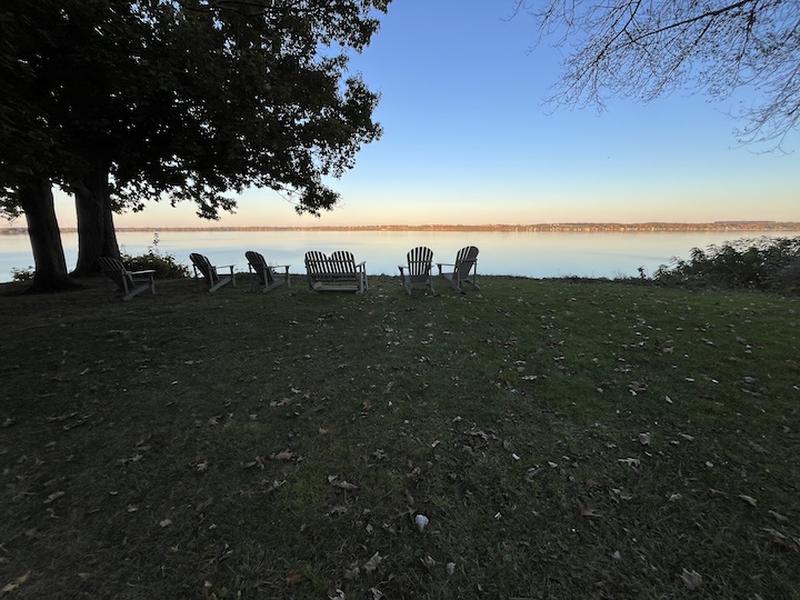
There is a poem that I especially connect with, titled “Brown Furniture” by Katha Pollitt, published in The New Yorker on January 24, 2022. The title refers to old furniture that holds memories for us, including some we might like to forget and some that remind us of wonderful connections and experiences. “Don’t throw out that old chair!”
I think about how this relates to inevitable internalized ageism, even as we ourselves become old. There are things that are just there—the “Brown Furniture”—that engender memories, some pleasant and some not so much. Some promote a fear of contagion through association and contribute to isolation, while others encourage connection, supporting strength and resilience.
Our own ageism does not mean we are bad people, but we are all vulnerable to the fear of contagion through association. This is not a conscious fear.
The Invisible Wheelchairs
Some years ago, I was hired to consult on the design of a new continuing care retirement community (CCRC). This was a new concept in elder living at the time, and much attention was on safety, but also on spaces that support connection and community, especially the dining room. Where people eat has great importance in community living environments.
The facility turned out to be very successful. Years later I was invited to a social event there and reconnected with some of the folks with whom I had worked. I asked how our vision of the facility had played out.
One of the things they mentioned was that many of the residents in the independent living section were unhappy with having to eat in the dining room with people who came in using a wheelchair or walker. They requested that these items be made invisible once the resident had been seated and returned only once they had finished eating and were leaving the dining room.
This issue was not unique to this particular facility but rather was very common and still is. It seems strange that even people who are eager to move into a facility in order that their needs would be met as they aged and required progressively more care, they do not want to be visibly reminded of what this might entail.
Apparently, associating with other older people needing more assistance than they did made them uncomfortable. Their strong preference appeared to be to associate with people of comparable intactness and level of functioning.
How do we understand this disconnect? We often hear older adults say, “I don’t want to be with all these old people; it depresses me.” More likely it frightens them by intimating what might lie down the road.
Intergenerational Solutions
More recently, and increasingly, communities for older adults are making physical connections and alliances with communities of younger persons. For example, they might share a college campus, allowing residents to attend classes and enabling students to take on part-time jobs on site.
Some other communities share a land parcel with a high school, an elementary school, or youth groups affiliated with a religious community. The community residents have the opportunity to tutor students who can benefit from extra attention, and also to attend the school’s music and theatre presentations.
The Gift of Connection
The fear of association denies us the benefits that come with connections and affiliations. While there is increasing support for togetherness as enhancing the mental and physical health of older adults, the opposite is also true. Deficiencies in opportunities for connections and affiliations contribute to loneliness, which in turn is clearly damaging.
Whether through a gym program, bird watching, or a lesson in preparing a new cuisine, what is important is that we can be comfortable associating with a broad range of older adults, including those who are experiencing different challenges than our own. We need to be able to be with people who are aging differently without fear of contagion and be open to the gift of witnessing their courage and creative accommodations.
Beauty in the Brown Chair
The passing of days accumulates and adds up to our becoming old. Like that old brown chair, there can be great beauty in it. “These things remember, so that we can forget. Who will love the old if not the old?”
Contact me. I’d love to hear back from you, especially about any creative ways you’ve put this to use.

Photo by the author’s family.