The Ask
As a psychologist who specializes in aging, folks often ask me how they can make aging easier, getting older better. Directly following the “ask,” I am usually instructed on what not to tell them: that they should eat healthier foods, exercise more and follow a sleep hygiene protocol.
The “ask” presents me with an impossible assignment because what they’re asking me to exclude really does help: a good diet, exercise and a regular sleep schedule. Strong scientific research strongly supports these suggestions. We already know this, and still we’re asking.
I think a better “ask” would be “what gets in the way of doing what we know we should do?” And how we might encourage ourselves to do what would help?
Here’s my thinking:
What Gets in the Way
Laziness
Yep. Good old-fashioned laziness.
When we move into old age it is true that everything takes more energy. And everything takes longer to do so we fatigue more easily and more often. When we feel lazy, it takes a real mental push to get going. And we have to feel that it’s worth the effort.
We know that energy is conserved by repetition, by functioning on automatic. And conversely it is expended by novelty, doing new things, and doing old things in new ways.
Defeatism
Moving into our older years we might also develop a tendency towards defeatism, and a tendency to appraise what is effortful as being out of consideration. Things are deemed as too difficult, or not doable at all, before we even try them.
The media unfortunately doesn’t help as they are prone to putting forward extremely robust older people as examples. We are encouraged to log an impressive number of steps each day and make our walks long. It’s understandable that we might feel totally unable to make the grade.
Complaining
An unpleasant truth is that being old goes along with ever present or threatening aches and pains and an array of new challenges. There’s no lack of material to complain about, even if it’s just in our own head. This lowers one’s spirit (spirit is energy) and brings down one’s mood.
If we could put the daily complaints on a scale and weighed them, we’d often see that the balance is way off. It needs an infusion of energy to lift our mood and balance the scale.
Loneliness
While being alone can be welcome and much appreciated as we become old, it can also morph into loneliness. The data support the fact that loneliness can be harmful and actually dangerous for old people.
Being an old person means we are at a life stage that is inevitably accompanied by significant losses. This includes the loss of important relationships such as close friends of many years. This life stage also includes many impediments to making new friends, which is exactly what we need to address our loss.
The Response
I’m going to respond to the “ask” by offering three clear suggestions of what we can do to make aging easier and getting older better.
1. Walk
If your legs can move, walk. Anywhere.
The number of steps, the duration of the walk are not the pillars of importance. You know your body. Just walk. Do what you feel you can do and maybe a little bit more. And walk tall even if you aren’t tall (I am 4‘11” and likely still shrinking.)
Before you go for your walk, and again when you return from it, stand in front of a mirror and tell yourself out loud that you are a person of worth. We don’t lose our value when we are old. Each person has a value of one.
2. Complain Frugally and Express Appreciation Liberally
There’s nothing inherently wrong with complaining as long as it’s in the service of meeting a need. But excessive complaining is not helpful. It can be off-putting for others to hear too much of it. And for us to complain in a helpless and hopeless manner tends to induce feelings of helplessness and hopelessness in us.
Express appreciation liberally. Even if you can’t obliterate the negative, you can neutralize its effect with appreciation and gratitude.
3. Make a New Friend
And make a friend who is different from others in your social circle. Extend your reach.
We learn from novelty and meeting new people, potential friends, defines novelty. You might be wonderfully surprised at how stimulating the social exchange is with someone who is not like you. This is one of the benefits for older adults in independent living communities, because they’re able to offer experiences and the opportunity to meet and mix with potential new friends. Senior centers are great for this, too.
These are my 3 suggestions. I invite you to try them and let me know how they work for you. I’m optimistic that the effort will prove worth it.
Warmly,

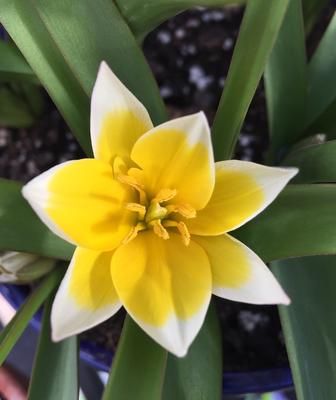
Photo by the author’s family.