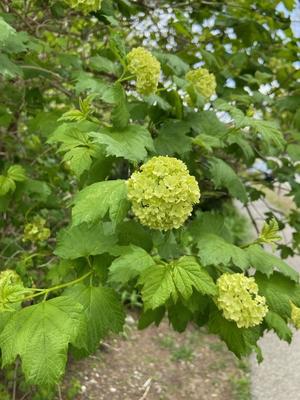
A Garden That Grows Every Spring
Each year, with the advent of spring, I think about my small rock garden and begin to wonder how the flowers I planted will grow this year, and whether the weeds will be a troublesome, unwelcome competition.
I always plant some new flowers to join the existing perennials, hoping to make the garden look especially lovely, just for me. When I look out my kitchen window — many times every day — I love to see the vibrant colors as the flowers bloom. It is a special treat to see the old ones blending together with the new.
My enthusiasm for the weeds that share the garden? Not so much. They are living plants, too. I know that. I also know that they crowd and take nutrients away from the pretty flowers. And yet I hesitate to pull them out.
Weeds and Flowers — A Metaphor for Aging
As an old person, at some level I identify with both the weeds and the flowers. At times I struggle to find space for myself in vibrant, youthful environments. I don’t want to be experienced as an intrusion and a nuisance. We older folks know weeds well.
They are the aches and pains, sensory deficits, and changes and challenges that inevitably blossom as old age advances. But our “garden of being” includes flowers, too. Perennials that come back year after year are joined by newly planted annuals, all finding a home in this garden. The perennials include our history of coping with myriad challenges and changes, and the development of resilience that results from these.
No one reaches their eighties or nineties without having lived that many years.
Ageism and the Weeds That Get All the Attention
Ageism is out there in society and internalized in individuals — yes, even in us. Ageism inherently highlights the weeds of aging while comparatively overlooking the flowers. This is not surprising news. We know that people generally focus more on the negative than the positive, and the weeds seem to naturally get more attention.
But, especially in old age, it is important that we make sure to cultivate our flowers. Our perennials represent long-held interests and passions. Even when adaptations and accommodations are necessary — and perhaps especially then — our perennials are not to be abandoned. Old age does not mean being passionless.
Cultivating New Blooms
We can also develop new passions. We might be old, but we can think, learn, explore, and grow.
What helps us to blossom is to focus on the “I can” more than the “I can’t.”
Wishing springtime loveliness for all!
Contact me. I’d love to hear back from you, especially about any creative ways you’ve put this to use.